
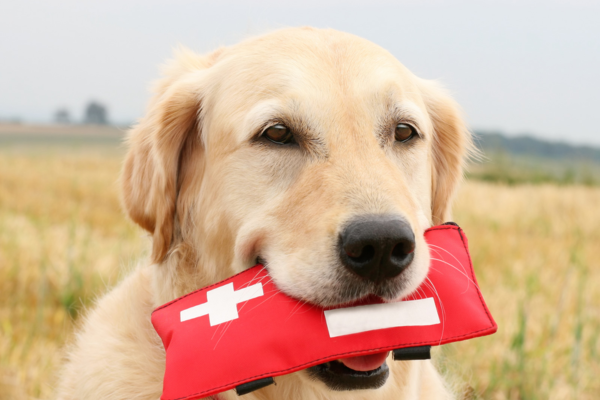
When many people think of service dogs, they picture guide dogs helping individuals who are blind navigate the world. But mobility service dogs are trained to perform a surprisingly wide range of highly skilled tasks that support people with physical disability, chronic illnesses, neurological conditions, and mobility limitations.
These dogs are more than companions; they are trained working partners who help their handlers live more independently and safely each day.
At Justice Speaks, we believe education is one of the most powerful tools in protecting the rights of service dog teams. The more the public understands the work these dogs perform, the easier it becomes to build truly accessible communities.
What is a Mobility Service Dog
A mobility service dog is individually trained to assist a person with a physical disability or mobility-related condition. Service dog tasks are tailored specifically to their handler’s needs and may support individuals with:
- Ehlers-Danlos Syndrome (EDS)
- Multiple Sclerosis (MS)
- Cerebral Palsy
- Arthritis
- Spinal cord injuries
- Neurological conditions
- Balance disorders
- Chronic pain disorders
- Dysautonomia or POTS
- Recovery from injury or surgery
Under the ADA, mobility service dogs are considered working service animals, not pets, and are protected under federal disability law.
1. Retrieving Dropped Items
One of the most common and life-changing tasks mobility service dogs perform is retrieving items. This can include:
- Keys
- Phones
- Wallets
- Medication
- Mobility aids
- Credit cards
- Clothing items
For someone with chronic pain, limited mobility, or balance issues, bending down repeatedly can be challenging or extremely painful, if not impossible. A simple retrieval task can prevent falls, reducing the risk of injury and allowing handlers to conserve their energy throughout the day.
2. Opening and Closing Doors
Mobility service dogs are often trained to:
- Pull doors open
- Push accessibility buttons
- Close cabinets or drawers
- Tug refrigerators or lightweight doors shut
These tasks may seem small, but they can dramatically improve independence for someone in a wheelchair or using a cane, walker, or crutches.
3. Providing Balance and Stability Support
Some mobility service dogs are trained to provide controlled counterbalance support to their handlers while they’re walking. They may help handlers:
- Maintain stability
- Reduce fall risk
- Navigate stairs or uneven terrain
- Recover from dizziness or weakness
It’s important to note that not all balance-related tasks are appropriate for every dog. Ethical mobility work requires proper training, veterinary oversight, and, of course, consideration of the dog’s physical structure and health.
4. Assisting During Medical Episodes
Many mobility service dogs’ tasks include assisting during medical events or episodes by:
- Helping a handler stand after a fall
- Retrieving emergency medication
- Bringing a phone to call for help
- Alerting another person in the home
- Staying with the handler during a medical crisis
These tasks can provide both physical assistance and emotional reassurance during vulnerable moments.
At Justice Speaks, we work to increase awareness surrounding the realities of living and working with service dogs. Supporting education and advocacy helps protect accessibility rights for disabled individuals everywhere.
5. Helping with Daily Household Tasks
Mobility service dogs can assist with a variety of everyday activities, including:
- Carrying lightweight items
- Loading or unloading laundry
- Picking up mail
- Turning lights on or off
- Bringing shoes or mobility aids
- Assisting with dressing routines
For many handlers, these tasks help conserve energy and reduce physical strain throughout the day.
6. Creating Space in Crowded Areas
While often associated with psychiatric service dogs, some mobility service dogs are trained to help create physical space in public settings. This can be especially important for handlers who:
- Use mobility aids
- Have chronic pain conditions
- Need extra room for stability or safety
Crowded environments can increase the risk of falls and injuries. A trained service dog can help their handler safely navigate public spaces.
7. Supporting Confidence and Independence
One of the most overlooked impacts of a mobility service dog is the confidence they provide. Many handlers report that their service dog allows them to:
- Leave the house more independently
- Participate more fully in work or school
- Reduce reliance on caregivers
- Feel safer navigating public spaces
These dogs do not “replace” disability; they help create greater accessibility and freedom within daily life.
Mobility Service Dogs Are Highly Trained Working Animals
Mobility service dogs undergo extensive training to safely and reliably perform their tasks in real-world environments. That training includes:
- Public access skills
- Task reliability
- Environmental neutrality
- Obedience and focus
- Safety conditioning
Because of this, distracting or interfering with a service dog team can create serious safety risks.
Important Reminder:
- Do not pet a service dog without permission
- Do not call to, whistle at, or distract the dog
- Do not question someone’s disability because it isn’t visible
- Do not ask for “service dog registration” or certification paperwork
Remember: under the ADA, service dogs are not required to be registered or certified.
How Justice Speaks Supports the Service Dog Community
Justice Speaks advocates for the rights of disabled individuals and service dog teams through:
- Public education initiatives
- Accessibility advocacy
- Community outreach
- Awareness campaigns
- Resources surrounding service dog rights and discrimination
By educating businesses, schools, and the public, Justice Speaks works toward a future where service dog teams are respected, protected, and welcomed everywhere they go.
Follow Justice Speaks to stay informed about service dog rights, accessibility advocacy, and educational initiatives that help create more inclusive communities.
Final Thoughts
Mobility service dogs perform far more than most people realize. From retrieving dropped items to assisting during medical episodes, these dogs provide critical support that improves the safety and quality of life of their handlers every single day.
The next time you see a service dog team in public, remember: there’s often much more happening than meets the eye.