
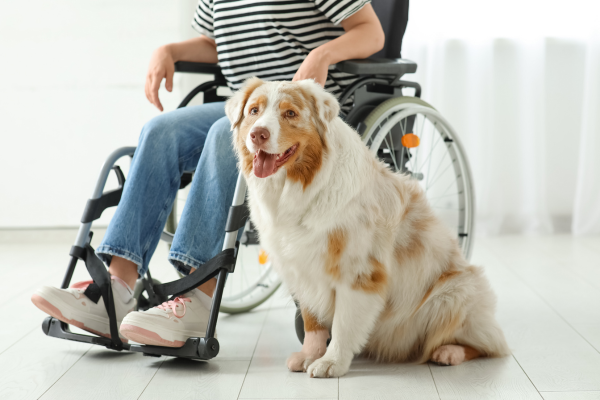
When most people think of service dog access issues, they picture dramatic moments like an airline denying boarding, a restaurant refusing entry, or a store demanding documentation. While these situations do happen, and they are serious, they only represent a small portion of the discrimination service dog teams face.
Every day, handlers encounter unexpected barriers in places where access should be automatic and unquestioned. These subtle forms of discrimination can be just as harmful as outright denial, creating stress, safety concerns, and emotional exhaustion for people who rely on their service dogs to navigate the world.
At Justice Speaks, we are dedicated to raising awareness about these challenges and educating communities so service dog teams can move through their lives with dignity, respect, and full accessibility.
Accessibility Isn’t Optional, It’s the Law
Under the Americans with Disabilities Act, service dog rights state that teams have the legal right to enter nearly all public spaces. Restaurants, hotels, transportation providers, retail stores, medical clinics, and rideshare services must allow service dogs to accompany their handlers.
Yet, despite clear laws, many businesses still fail to comply. Sometimes it’s intentional, but often it’s due to misunderstandings, poor training, or misinformation. These everyday barriers create a ripple effect that impacts the handler’s independence and quality of life.
Discrimination Against Service Dog Teams Can Look Like:
Rideshare Refusals
One of the most common and least talked about accessibility issues involves rideshare services. While the public is aware of airline and restaurant denials, many don’t realize how often service dog handlers are refused rides.
Drivers may claim allergies, fear of dogs, or “car cleanliness” as reasons to deny entry; however:
- These reasons are not legal grounds for refusal
- Rideshare companies require drivers to accept service dog teams
- Denials put handlers in unsafe situations, especially at night or in bad weather
For someone who relies on rideshare transportation to get to work, school, or medical appointments, these refusals are more than an inconvenience; they create real barriers to mobility and independence.
Hotels, Taxis, and Retail Store Issues
Even places that should be trained in accessibility can make damaging mistakes. Common issues include:
- Hotels demanding pet fees or deposits for service dogs
- Taxi drivers passing by when they see a service dog
- Retail workers blocking entry or insisting the dog must be registered
- Staff attempting to separate the handler from the dog
These interactions are embarrassing, exhausting, and illegal. They reinforce the message that people with disabilities must constantly advocate for themselves in situations where access should be seamless.
Housing Barriers
Even though the law protects service dog handlers from pet fees and discrimination in housing, many still face:
- Landlords questioning the need for the dog
- Threats of eviction
- Excessive paperwork
- Pet-restricted buildings refusing applicants
For someone relying on a service dog to live safely, the added stress of fighting for housing rights can be overwhelming.
Soft, Subtle Barriers
Not all barriers are outright refusals. Some are subtle, but still harmful:
- Strangers trying to pet or distract the dog
- People asking intrusive questions
- Staff insisting the dog “doesn’t look like a service dog”
- Following or watching service dog teams suspiciously
These small moments accumulate into a constant emotional burden. They make everyday tasks feel like barriers.
How Justice Speaks Helps Break Down Barriers
At Justice Speaks, our mission is to educate the community, empower service dog handlers, and advocate for systemic change. By raising awareness about these lesser-known barriers, we help people understand the day-to-day challenges that service dog teams face.
Our work includes:
- School programming that teaches children about service dog etiquette, accessibility, and respect
- Public advocacy that addresses businesses, policymakers, and community organizations
- Outreach programs that highlight the real experience of service dog teams
- Resources and support for handlers dealing with discrimination
Education is powerful. When people understand the barriers service dog teams face, they’re far more likely to intervene, advocate, and create accessible spaces.
How You Can Support Service Dog Advocacy
You can help Justice Speaks continue pushing for accessibility, respect, and inclusion by donating, sponsoring a school visit, sharing our mission, or just following our advocacy work! When communities understand the law and the lived experiences behind it, service dog teams can finally experience the equal access they deserve.
The barriers service dog teams face are often invisible to those who don’t live with them. But with awareness, education, and advocacy, we can eliminate these obstacles and build communities that truly welcome people with disabilities.