
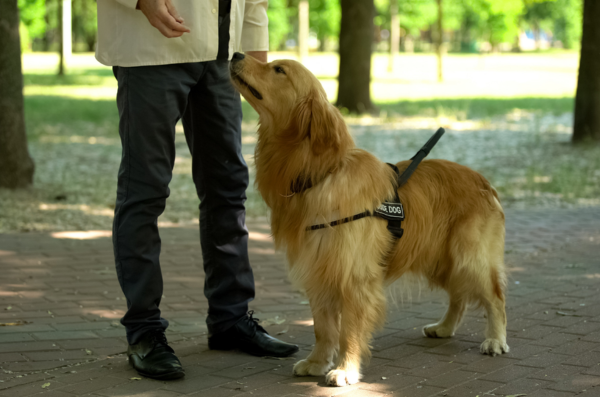
For millions of people with disabilities, a service dog is far more than a companion. These highly trained animals perform essential tasks that allow their handlers to navigate daily life safely and independently. Whether guiding someone through a crowded space, alerting to a medical emergency, retrieving items, or providing stability while walking, service dogs serve as critical partners in accessibility and independence.
But the ability for service dog teams to move freely through public spaces did not happen by chance. It exists because of service dog access laws, legal protections that recognize the rights of people with disabilities and ensure they can participate fully in society. Understanding these laws helps highlight their broader impact on civil rights, dignity, and inclusion.
Service Dog Access is a Civil Rights Issue
Service dog access laws are rooted in disability civil rights protections, most notably the Americans with Disabilities Act (ADA). ADA service dog laws recognize that individuals with disabilities have the right to equal access in public life. This includes the ability to enter businesses, restaurants, hotels, hospitals, stores, and transportation systems with a service dog.
Without these protections, many individuals would face significant barriers to participating in everyday activities. Something as routine as buying groceries, attending a doctor’s appointment, or dining at a restaurant could become impossible or unsafe. Service dog access laws ensure that people with disabilities are not forced to choose between their safety and their ability to participate in society.
Promoting Independence and Mobility
One of the most powerful impacts of service dog access laws is the freedom they create for handlers. Service dogs help individuals manage disabilities that may otherwise limit their ability to move through the world independently.
For example, service dogs may:
- Provide balance support for individuals with mobility impairments
- Alert to medical events such as seizures or changes in blood sugar
- Guide handlers safely through busy environments
- Retrieve dropped items or open doors
- Interrupt panic attacks or assist with grounding during neurological or psychiatric episodes
Because these dogs perform essential tasks, denying access to a service dog team can directly affect the handler’s health, safety, and independence. Access laws ensure that service dog handlers can enter public spaces with the support they rely on to navigate everyday life.
Protecting Dignity and Reducing Discrimination
Before disability access laws existed, people with disabilities frequently faced exclusion from public spaces. Even today, many service dog handlers still encounter situations where they are questioned, challenged, or denied entry due to misunderstanding or lack of education.
Service dog access laws help reduce discrimination by providing clear guidelines for businesses and organizations. Under the ADA service dog rights, businesses may only ask two questions when it is not obvious that a dog is a service animal:
- Is the dog required because of a disability?
- What work or task has the dog been trained to perform?
Businesses are not permitted to ask about a person’s disability, require documentation, or demand that the dog demonstrate its tasks. These protections safeguard the privacy and dignity of service dog handlers while allowing businesses to understand the role of the dog.
Why Public Education Matters
While service dog access laws provide legal protection, many negative encounters still occur simply because people are unaware of these rules. Misunderstandings about service dogs can lead to uncomfortable or harmful situations for handlers. For example, some people may attempt to pet or distract a working dog, unaware that doing so can interfere with the dog’s ability to perform its tasks. Others may assume a service dog is simply a pet or an emotional support animal.
Education plays a critical role in bridging this gap. As businesses, employees, and community members understand how service dogs work and what the law requires, they are better equipped to create inclusive environments where handlers can move freely and safely.
Strengthening Disability Rights Through Advocacy
Service dog access laws represent an important step forward for disability rights, but continued advocacy remains essential. Discrimination and access denial still occur in many communities, and many handlers feel forced to repeatedly defend their rights in public spaces.
Organizations dedicated to disability advocacy help people understand, respect, and enforce these laws. Advocacy efforts also focus on improving policies, strengthening education, and supporting individuals who experience discrimination. Protecting service dog access is ultimately about protecting the broader principle of equal participation in society for people with disabilities.
Moving Toward a More Inclusive Future
Service dog access laws help create a world where people with disabilities can move through life with greater freedom, safety, and dignity. They protect the ability of service dog teams to enter public spaces, access services, and participate fully in everyday activities. But laws alone are not enough. True inclusion requires awareness, respect, and understanding from the communities we live and work in.
When the public understands the importance of service dogs and the rights of the individuals who rely on them, everyone benefits. Communities become more welcoming, businesses improve accessibility, and service dog handlers can live their lives with the independence and confidence they deserve.
Supporting Justice Speaks
At Justice Speaks, we are committed to protecting the rights of service dog handlers and educating communities on respectful interaction with service dog teams. Through advocacy, education, and practical resources, we work to reduce discrimination and ensure that individuals with service dogs can navigate the world safely and independently.
You can support this mission by sharing educational resources, promoting service dog awareness in your community, and helping spread the message that service dog access is a matter of civil rights. Together, we can build a future where every service dog team is treated with the dignity, respect, and freedom they deserve.