
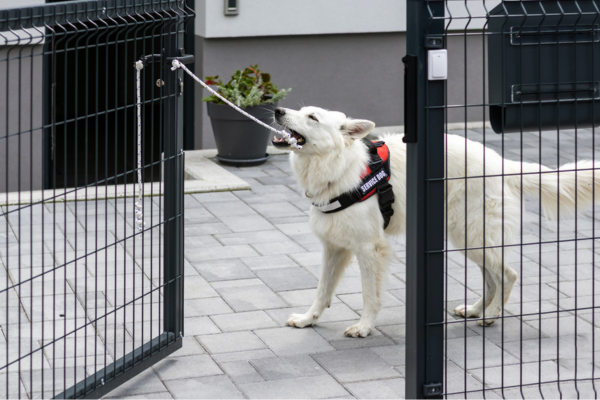
Mobility service dogs are often thought of as helpers for individuals with physical disabilities, assisting with tasks such as balance support, retrieving items, or helping with mobility aids. But many people don’t realize just how versatile these working dogs can be. With specialized training, a single mobility service dog can often assist a handler with more than one disability, offering life-changing support across multiple aspects of daily living.
This blog explores the capabilities of mobility service dogs, the types of tasks they can perform, and how they help individuals maintain independence, safety, and confidence in their daily lives.
How Mobility Service Dogs Assist Across Multiple Needs
Mobility service dogs are trained to perform a variety of tasks, and many handlers benefit from a dog that can handle more than one category of assistance. Understanding these task categories can help the public appreciate the versatility and value of these working partners.
Physical Support Tasks
These tasks help handlers navigate daily life safely and independently, particularly for individuals with mobility limitations. Examples include:
- Bracing and balance support for walking, standing, or transferring between chairs or beds
- Retrieving dropped items such as phones, keys, or medications
- Opening doors, cabinets, and drawers to improve accessibility
- Assisting with wheelchairs or mobility aids, including pulling or steadying devices
These tasks directly improve physical independence and reduce reliance on caregivers.
Medical Alert Tasks
Some mobility service dogs are also trained to detect medical events, alerting their handlers before situations become dangerous. Common examples include:
- Alerting to low or high blood sugar for individuals with diabetes
- Detecting oncoming seizures or other sudden medical conditions
- Notifying others or fetching emergency medication when needed
Medical alert tasks provide a critical safety net, allowing handlers to respond promptly and avoid emergencies.
Psychiatric Support Tasks
Mobility service dogs can also assist individuals with psychiatric or neurological disabilities, offering emotional and physical support when needed. Examples include:
- Interrupting panic attacks or anxiety episodes through tactile cues
- Providing deep pressure therapy for calming or grounding
- Guiding a handler safely through overwhelming environments
Combining mobility and psychiatric support can make a single dog an indispensable partner for handlers with multiple disabilities.
By training across these categories, a well-selected mobility service dog can provide comprehensive support tailored to the handler’s unique combination of physical, medical, and emotional needs.
Training a Multi-Task Mobility Service Dog
Training a dog to perform multiple tasks is highly specialized and intensive. It requires careful planning to ensure that:
- Each task is reliable and safe
- Tasks do not interfere with one another
- The dog can work under stress, distraction, or fatigue
- The handler knows how to cue each task effectively
Not all dogs are suited for multi-task training. Trainers carefully select dogs based on temperament, intelligence, energy level, and adaptability. A well-matched dog, however, can be an extraordinary partner for a handler with multiple disabilities.
Benefits of a Multi-Task Mobility Service Dog
Having a mobility service dog that can perform more than one task offers several benefits:
- Increased independence: Handlers rely less on human assistance.
- Enhanced safety: Dogs can respond to multiple needs in real time.
- Consistency: One dog providing multiple forms of support creates a stronger partnership.
- Emotional well-being: Dogs provide companionship while supporting physical and medical needs.
A versatile mobility service dog can truly transform the daily life of their handler, empowering them to navigate the world more confidently and safely.
Respecting the Role of Mobility Service Dogs
The public needs to understand that mobility service dogs are working animals, not pets. They are trained to provide critical support, sometimes for multiple disabilities, and should never be distracted while on duty. Respecting the dog’s role allows them to perform their tasks reliably, which directly impacts the handler’s independence and safety.
Support Our Efforts at Justice Speaks
At Justice Speaks, we are dedicated to protecting the rights of service dog handlers and promoting public understanding of how these working dogs support independence and safety. We provide education, advocacy, and resources to ensure service dog teams are respected and accommodated in all spaces. The public can help by spreading awareness, sharing our message, supporting our programs, and donating to our cause. Every action helps us continue our mission to defend the rights and dignity of individuals who rely on service dogs.
A Final Thought
Mobility service dogs are incredibly versatile partners capable of assisting handlers with multiple disabilities. Through specialized training, these dogs can perform a combination of physical, medical, and sometimes even psychiatric support tasks. Helping their handlers live safer, more independent, and empowered lives.
By understanding the breadth of their capabilities, the public can better appreciate the dedication, skill, and impact of these life-changing service dog teams.